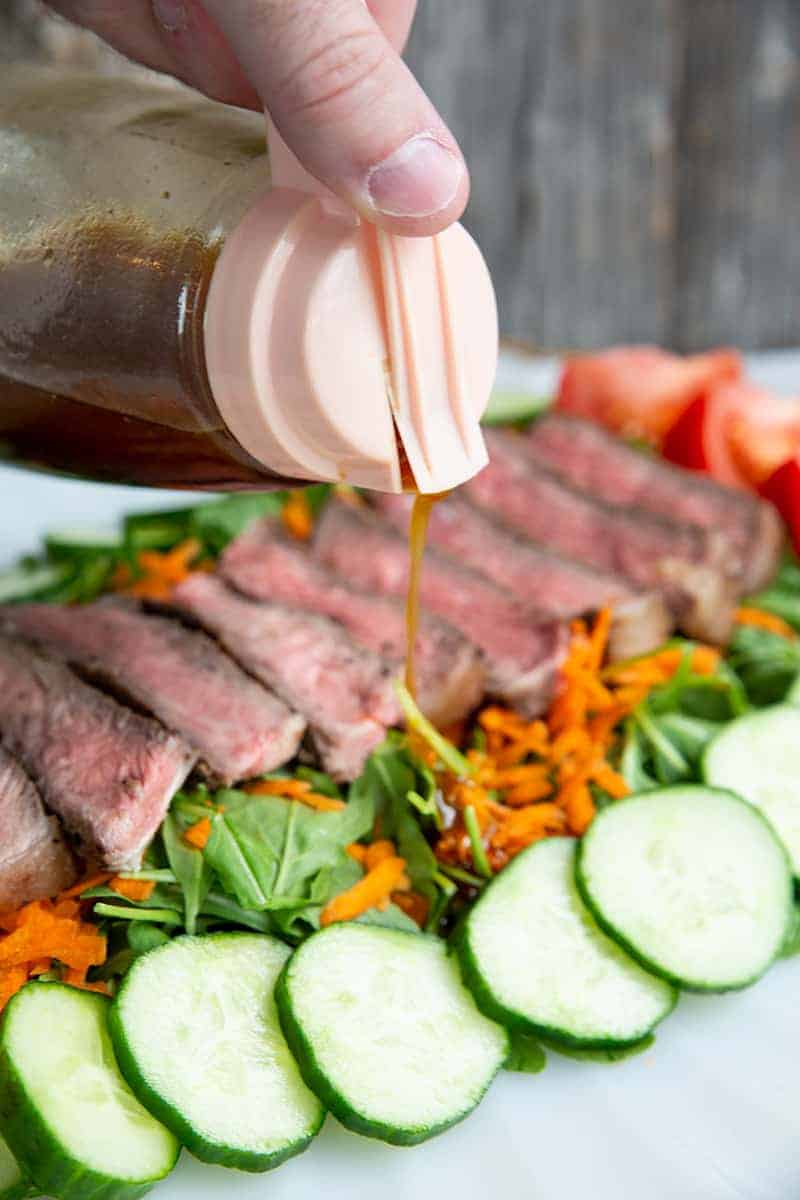
Easy Homemade Asian Salad Dressing: Simple Recipe, Big Flavor
Are you tired of bland salads and longing for a burst of vibrant taste? Look no further! Crafting your own
homemade Asian salad dressing is not only incredibly simple but also unlocks a world of big, complex flavors that elevate any meal. Forget store-bought bottles; with just a handful of pantry staples, you can whip up a dressing that's fresh, customizable, and utterly delicious. This versatile dressing transforms ordinary greens, grilled proteins, or cold noodles into an exciting culinary adventure, proving that an
easy Asian salad dressing doesn't have to compromise on taste.
Why Go Homemade with Your Asian Salad Dressing?
The appeal of a
homemade Asian salad dressing extends far beyond just its taste. It’s about control, freshness, and the sheer satisfaction of creating something wonderful from scratch. When you make your own, you dictate the ingredients, avoiding unwanted preservatives, artificial flavors, and excessive sodium often found in commercial alternatives. This control allows you to tailor the dressing to your exact dietary needs – whether you're watching your sugar intake, managing salt levels, or navigating gluten sensitivities.
Beyond health considerations, the freshness of homemade simply can't be matched. Using quality ingredients like fresh ginger and garlic, rather than powdered versions, makes a remarkable difference in the vibrancy and depth of flavor. Plus, it's surprisingly cost-effective. Many of the core ingredients for this dressing are likely already in your kitchen, making it a budget-friendly way to bring gourmet flair to your everyday meals. It’s a game-changer for anyone stuck in a salad rut, promising to bring life and zest back to your dining table.
The Core Ingredients: A Symphony of Flavors
At the heart of any great
asian salad dressing is a delicate balance of sweet, salty, tangy, and umami notes. Mastering this balance is key, and it all starts with selecting the right foundation ingredients.
*
Soy Sauce: The Umami Foundation
This essential ingredient provides the savory, umami depth that is characteristic of Asian cuisine. For those mindful of sodium, opting for reduced-sodium soy sauce is an excellent choice without sacrificing flavor. If gluten is a concern, tamari is a fantastic gluten-free alternative that delivers a similar rich taste.
*
Vinegar: The Tangy Kick
Rice vinegar is often the star here, offering a mild, slightly sweet tang that complements the other flavors beautifully. However, don't shy away from experimenting! Apple cider vinegar can provide a bolder, fruitier zest, while even a splash of white vinegar can work in a pinch for acidity.
*
Oil: The Richness and Mouthfeel
Sesame oil is a non-negotiable for its distinctive nutty aroma and flavor, adding a layer of authenticity to the dressing. It's often used as a finishing oil due to its potent taste. For the base, a neutral oil like canola oil, grapeseed oil, or even a light olive oil (not extra virgin, which can be too strong) helps emulsify the dressing and provides a smooth texture.
*
Sweeteners: The Harmonizing Note
Honey or maple syrup are popular choices for natural sweetness, balancing the savory and tangy elements. They also add a lovely richness. For a different profile, brown sugar or granulated sugar can be used, offering a slightly more caramel-like sweetness.
*
Aromatics: The Zest and Pungency
Freshly minced garlic and grated ginger are absolute musts. Garlic adds a pungent, savory kick, while ginger provides a refreshing, spicy zing that awakens the palate. While ground versions can work, fresh aromatics truly elevate the dressing's complexity.
Understanding the role of each of these core components is crucial for perfecting your blend. For a deeper dive into how these ingredients interact to create the perfect flavor profile, you might find valuable insights in our article:
Balance Flavors: Essential Ingredients for Asian Salad Dressing.
Elevate Your Dressing: Optional Twists and Secret Ingredients
While the core ingredients create a fantastic base, the real fun begins when you start exploring optional additions. These extras allow you to truly customize your
asian salad dressing, transforming it to suit any palate or dish.
*
For a Creamier Texture:
A spoonful of Kewpie mayonnaise can introduce an incredible creaminess and a subtle umami boost, making the dressing wonderfully rich and silky. Alternatively, for a dairy-free option, a tablespoon of peanut butter or tahini can achieve a similar creamy consistency, adding a nutty depth that's particularly fantastic in noodle salads.
*
For Enhanced Depth and Sweetness:
A splash of mirin (sweet Japanese rice wine) introduces a nuanced sweetness and a delicate alcoholic depth that rounds out the flavors beautifully, mimicking a chef's secret trick. Brown sugar or even a touch of molasses can also add a richer, more caramel-like sweetness.
*
For a Citrusy Brightness:
A squeeze of fresh lime juice or lemon juice can cut through the richness and add a vibrant, refreshing zest, making the dressing feel even lighter and livelier.
*
For a Fiery Kick:
A pinch of red pepper flakes or a dash of sriracha can introduce a delightful heat, perfect for those who enjoy a bit of spice. Start with a small amount and adjust to your preference.
*
For Added Texture and Garnish:
Toasted sesame seeds are a simple yet impactful addition, providing a satisfying crunch and enhancing the overall nutty flavor. They also make for a beautiful visual garnish.
*
Gluten-Free and Alternative Options:
For those with dietary restrictions, remember that tamari is a perfect gluten-free substitute for soy sauce. Coconut aminos offer an even milder, slightly sweeter soy-free alternative. This flexibility means everyone can enjoy the deliciousness of homemade dressing.
The beauty of these optional ingredients lies in their power to personalize. Feel free to mix and match to discover your signature blend! To explore even more ways to tailor your dressing to specific dietary needs or adventurous flavor profiles, check out our guide on
Customize Your Asian Dressing: Gluten-Free Options & Flavor Twists.
Crafting Your Dressing: Simple Steps to Flavor Perfection
Making your own
easy Asian salad dressing is a straightforward process that requires minimal effort but yields maximum flavor. Here’s how to bring all those wonderful ingredients together:
1. **Gather Your Arsenal:** Start by collecting all your chosen ingredients. Having everything measured out and within reach will make the process smooth and enjoyable. This could include your soy sauce, chosen vinegar, sesame oil, neutral base oil, sweetener, garlic, and ginger, plus any optional additions.
2. **Choose Your Vessel:** You have a couple of excellent options for mixing. A simple mixing bowl with a whisk works perfectly, allowing you to see and adjust as you go. Alternatively, a mason jar with a tight-fitting lid is a fantastic choice, especially for easy shaking and storage.
3. **Combine the Magic:** Pour all your liquid ingredients into your chosen vessel first. This typically includes the soy sauce, vinegar, oils, and sweetener. Then, add your minced garlic, grated ginger, and any other dry spices like red pepper flakes.
4. **Mix It Up:** If using a bowl, grab your whisk and vigorously whisk all the ingredients together until thoroughly combined and emulsified. If using a jar, simply screw on the lid tightly and "shake it, shake it, shake it" like a maraca! This shaking action not only mixes everything but also helps to emulsify the oils and vinegars, creating a cohesive dressing.
5. **Taste and Adjust:** This is perhaps the most crucial step. Dip a spoon into your freshly made dressing and taste it. Is it too sweet? Add a little more vinegar or soy sauce. Too salty? A touch more sweetener or a squeeze of lime juice can balance it. Not enough zing? Grate in a little more ginger or garlic. Don't be afraid to experiment until it hits your personal sweet spot.
Once you’re happy with the flavor, your dressing is ready to be drizzled and enjoyed!
Beyond the Salad Bowl: Versatile Uses for Your Dressing
While "salad dressing" is in its name, the truth is that this
versatile Asian dressing extends far beyond just leafy greens. Its complex sweet, tangy, and savory profile makes it an incredibly adaptable condiment that can elevate a wide range of dishes.
*
Marinade for Proteins: It's a fantastic marinade for chicken, shrimp, fish, or even tofu. Allow your protein to soak in the dressing for at least 30 minutes (or longer for deeper flavor) before grilling, baking, or stir-frying. The dressing helps tenderize and infuse flavor.
*
Cold Noodle Dishes: Drizzle it generously over cold soba, ramen, or rice noodles for a quick, refreshing lunch or light dinner. Add some chopped vegetables, grilled chicken, or edamame for a complete meal.
*
Pasta Salads: Give your next pasta salad an Asian-inspired twist! Combine cooked pasta with fresh vegetables like bell peppers, cucumbers, and snap peas, then toss with your homemade dressing.
*
Dipping Sauce: Serve it alongside spring rolls, dumplings, or even simple grilled vegetables as a flavorful dipping sauce.
*
Stir-Fry Sauce Base: While a bit thicker might be desired for a stir-fry, this dressing makes an excellent base. Just add a cornstarch slurry to thicken it up in the wok for a glossy, flavorful sauce.
*
Vegetable Enhancer: Toss steamed broccoli, roasted asparagus, or blanched green beans with a bit of the dressing for an instant flavor upgrade.
The possibilities are truly endless, making this
easy homemade Asian salad dressing a staple you'll reach for again and again.
Conclusion
Whipping up your own
easy homemade Asian salad dressing is a simple pleasure that promises big flavor and incredible versatility. With just a few basic ingredients and the freedom to customize, you can create a dressing that not only tastes superior to store-bought options but also perfectly suits your preferences and dietary needs. So, gather your ingredients, unleash your inner chef, and prepare to embark on a delicious flavor adventure. Trust us, once you experience the vibrant, fresh taste of your own creation, your salads—and countless other dishes—will never be the same!